

Embark on a journey through the intricate world of pavilion architecture, where creativity and culture intertwine to create stunning structures that captivate the eye and inspire the mind. From historical roots to modern interpretations, this topic delves into the essence of pavilions and their significance in the realm of architecture.
Overview of Pavilion Architecture
Pavilion architecture refers to standalone structures that are often designed to showcase art, culture, or nature. These temporary or permanent buildings serve as focal points in various settings, providing spaces for gatherings, exhibitions, or contemplation. The significance of pavilion architecture lies in its ability to blend functionality with artistic expression, creating unique spaces that engage visitors on multiple levels.
Historical Evolution of Pavilion Architecture
Pavilion architecture has a rich history dating back to ancient times. In different cultures, pavilions were used for ceremonial purposes, religious rituals, or as retreats for relaxation. For example, the Chinese built elaborate pavilions in gardens to symbolize harmony with nature, while the Mughals in India constructed pavilions in palaces for entertainment and leisure.
Over time, pavilion architecture evolved to incorporate new materials, technologies, and design aesthetics, reflecting changing societal values and architectural trends.
Famous Pavilion Structures
- The Crystal Palace, London: Designed by Joseph Paxton for the Great Exhibition of 1851, this iconic glass and iron structure revolutionized pavilion architecture with its innovative use of materials and construction techniques.
- Serpentine Gallery Pavilion, London: Each year, a renowned architect is invited to design a temporary pavilion for the Serpentine Gallery in Kensington Gardens, showcasing cutting-edge architectural concepts and experimental designs.
- Barcelona Pavilion, Spain: Designed by Ludwig Mies van der Rohe for the 1929 International Exposition in Barcelona, this minimalist structure is a masterpiece of modernist architecture, emphasizing open spaces and clean lines.
- Taipei 101 Observatory Pavilion, Taiwan: Located on the 89th floor of Taipei 101, this pavilion offers panoramic views of the city skyline, providing visitors with a unique vantage point to appreciate the architectural beauty of Taipei.
Characteristics of Pavilion Architecture
Pavilion architecture is characterized by several key features that set it apart from other types of structures. These features contribute to the unique design and purpose of pavilions.One of the defining characteristics of pavilion architecture is its open and airy design.
Pavilions are often built with minimal walls or barriers, creating a sense of openness and connection to the surrounding environment. This design approach allows for ample natural light to enter the space and provides a seamless transition between indoor and outdoor areas.Another important aspect of pavilion architecture is the use of lightweight materials.
Materials such as glass, steel, and wood are commonly used in pavilion construction to create a sense of lightness and transparency. These materials not only contribute to the overall aesthetic of the pavilion but also help to maintain a strong connection to nature.The relationship between pavilion architecture and nature or surroundings is a fundamental aspect of this architectural style.
Pavilions are often designed to complement and enhance their natural surroundings, whether it be a park, garden, or waterfront. The use of materials, colors, and landscaping techniques are carefully considered to create a harmonious blend between the built environment and the natural world.
Materials in Pavilion Architecture
In pavilion architecture, the choice of materials plays a crucial role in shaping the overall design and aesthetic of the structure. Glass is often used to create transparent walls that allow for unobstructed views of the surrounding landscape. Steel is commonly used for structural support, providing strength and stability while maintaining a modern and sleek appearance.
Wood is another popular material in pavilion architecture, adding warmth and texture to the design. These materials work together to create a harmonious balance between the built environment and nature.
Relationship with Nature
Pavilion architecture is closely connected to nature, with many pavilions designed to blend seamlessly into their surroundings. The open design of pavilions allows for natural light and ventilation to flow through the space, creating a sense of connection to the outdoors.
Landscaping around the pavilion is often carefully planned to enhance the natural beauty of the site and create a tranquil environment for visitors. The use of natural materials and earthy colors further reinforces the relationship between pavilion architecture and nature.
Functionality and Purpose
Pavilions serve a variety of functions depending on their design and context. They are often used as temporary structures to host events, exhibitions, or provide shelter in public spaces.
Primary Functions of Pavilion Structures
Pavilions are primarily designed to provide a temporary shelter, gathering space, or focal point for various activities. They can serve as exhibition spaces, performance venues, dining areas, or simply as a place for relaxation and social interaction.
- Offering shelter from the elements
- Creating a focal point in a public space
- Providing a venue for events and exhibitions
- Enhancing the aesthetic appeal of the surrounding area
Purposes of Pavilions in Different Contexts
The purposes of pavilions can vary depending on the context in which they are placed. In public spaces, pavilions may provide a shaded area for people to rest or gather. At events, pavilions can serve as booths for vendors or stages for performances.
In exhibitions, pavilions are often used to showcase specific products or artworks.
- In public spaces: Providing shelter and a gathering spot
- At events: Serving as booths or performance stages
- In exhibitions: Showcasing products or artworks
Influence of Design on Pavilion Functionality
The design of a pavilion plays a crucial role in determining its functionality. Factors such as the materials used, the layout of the space, and the overall aesthetic can impact how the pavilion is used and perceived. For example, a pavilion with an open-air design may be more suitable for events or gatherings, while a closed structure could be better for exhibitions or displays.
The design of a pavilion has a direct impact on how people interact with the space and the activities that can be accommodated within it.
Contemporary Trends in Pavilion Architecture
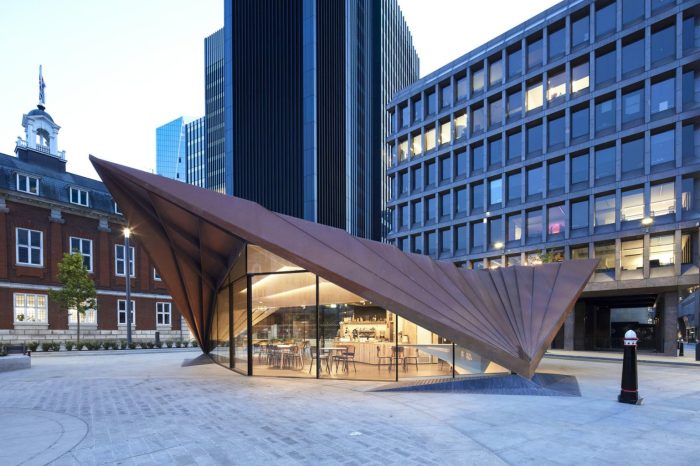
Pavilion architecture has evolved over the years to embrace contemporary trends that reflect the advancements in technology and design. This has led to the creation of innovative and unique pavilion structures that redefine traditional notions of architecture.
Integration of Technology
Incorporating cutting-edge technology has become a prominent trend in contemporary pavilion architecture. From the use of parametric design software to advanced fabrication techniques like 3D printing, technology has enabled architects to push the boundaries of what is possible in pavilion design.
- Parametric design software allows architects to create intricate and complex geometries that were previously unattainable with traditional design methods.
- Advancements in materials science have led to the development of innovative materials that are lightweight, durable, and sustainable, allowing for the construction of futuristic pavilions.
- Integration of smart technologies such as interactive lighting systems and responsive facades has transformed pavilions into dynamic and interactive spaces.
Sustainability and Eco-Friendly Design
Another prevailing trend in contemporary pavilion architecture is the emphasis on sustainability and eco-friendly design principles. Architects are increasingly incorporating green technologies and practices to reduce the environmental impact of pavilion structures.
- Utilizing renewable energy sources like solar panels and wind turbines to power pavilions and reduce their carbon footprint.
- Implementing passive design strategies such as natural ventilation and daylighting to enhance energy efficiency and reduce the reliance on artificial lighting and cooling systems.
- Using recycled and locally sourced materials in construction to minimize waste and promote a circular economy approach.
Experimental Design Approaches
Contemporary pavilion architecture often showcases experimental design approaches that challenge conventional norms and explore new possibilities in form and function. Architects are pushing boundaries and reimagining the traditional concept of pavilions through innovative design strategies.
- Exploring unconventional geometries and structural systems that defy gravity and create visually striking pavilion forms.
- Integrating interactive elements and immersive technologies to engage visitors and create memorable experiences within the pavilion space.
- Collaborating with artists, engineers, and other disciplines to bring a multidisciplinary approach to pavilion design, fostering creative dialogue and innovation.
Cultural Significance
Pavilion architecture serves as a reflection of cultural values and traditions, showcasing unique characteristics that are deeply rooted in a society's heritage. These structures often embody the history, beliefs, and customs of a particular culture, making them significant symbols of identity and pride.
Role in Cultural Events
Pavilions play a crucial role in cultural events and ceremonies, serving as gathering spaces where communities come together to celebrate and honor their traditions. These architectural marvels provide a sense of place and belonging, creating a platform for cultural exchange and expression.
- Pavilions act as focal points during festivals, offering a space for performances, rituals, and other cultural activities.
- They serve as venues for showcasing traditional arts, crafts, and cuisines, helping to preserve and promote cultural heritage.
- Through their design and decor, pavilions contribute to the ambiance and atmosphere of cultural events, enhancing the overall experience for participants and spectators.
Preservation of Cultural Heritage
Pavilion architecture plays a vital role in preserving and reinterpreting cultural heritage, ensuring that traditions are passed down from generation to generation in a meaningful way. These structures serve as living monuments that tell the stories of the past while adapting to the needs of the present.
- By incorporating traditional architectural elements and materials, pavilions help to maintain a connection to the cultural roots of a community.
- Architects and designers often draw inspiration from historical pavilions to create contemporary interpretations that celebrate cultural diversity and innovation.
- Pavilion architecture can act as a platform for dialogue between different cultures, fostering mutual understanding and respect through shared experiences and interactions.
Summary
In conclusion, pavilion architecture stands as a testament to human ingenuity and artistic expression, blending tradition with innovation to shape spaces that transcend time. Whether as a cultural symbol or a modern marvel, pavilions continue to intrigue and inspire with their unique designs and profound meanings.
FAQ Summary
What defines pavilion architecture?
Pavilion architecture is characterized by its free-standing, often temporary nature, designed to showcase unique design elements and serve specific functions.
How does pavilion architecture relate to nature?
Pavilion architecture often integrates natural elements into its design, creating a harmonious relationship between the structure and its surroundings.
What cultural significance do pavilions hold?
Pavilions reflect cultural values, traditions, and can be used in ceremonies or events to preserve or reinterpret heritage.