

Hotel interior design plays a pivotal role in shaping the guest experience, from the moment they step foot into the lobby to the cozy confines of their room. This article delves into the intricate world of hotel interiors, unraveling the key elements that contribute to a well-designed space that exudes luxury and comfort.
As we journey through the realms of color schemes, furniture choices, lighting techniques, art, decor, and technology integration, we uncover the artistry and innovation that converge to create unforgettable hotel interiors.
Introduction to Hotel Interior
Interior design plays a crucial role in creating a welcoming and comfortable environment within hotels. It sets the tone for the overall guest experience and can greatly impact how visitors perceive the establishment.
Importance of Hotel Interiors
Well-designed hotel interiors help create a memorable and enjoyable stay for guests. They enhance the aesthetics, functionality, and ambiance of the space, making it visually appealing and inviting.
Key Elements of a Well-Designed Hotel Interior
- Color palette and lighting scheme
- Furniture and decor selection
- Layout and space planning
- Texture and materials used
- Artwork and accessories
Role of Interior Designers in Hotel Ambiance
Interior designers play a crucial role in creating a unique ambiance that reflects the hotel's brand identity and caters to the needs and preferences of guests. They carefully curate every aspect of the interior design to ensure a cohesive and harmonious space.
Color Schemes and Themes
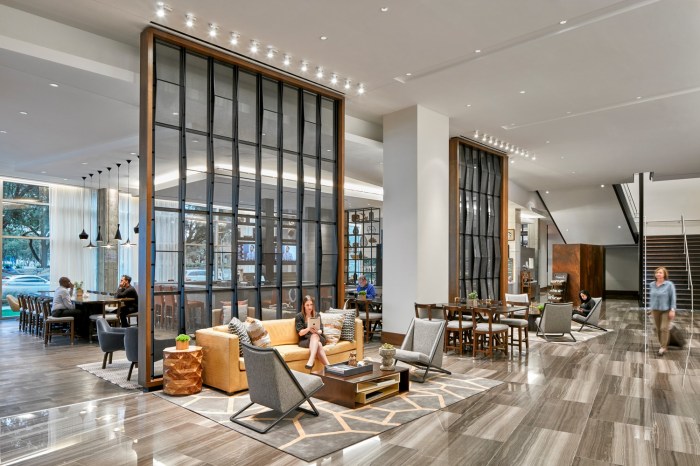
When it comes to hotel interiors, color schemes and themes play a crucial role in creating a welcoming and visually appealing atmosphere for guests. The choice of colors and themes can greatly impact the overall ambiance and guest experience.
Popular Color Schemes in Hotel Interiors
In hotel interior design, popular color schemes often include neutral tones such as whites, creams, and beiges to create a sense of elegance and sophistication. These colors serve as a versatile backdrop that can be easily paired with bolder accent colors for a pop of vibrancy.
Earthy tones like browns and greens are also commonly used to evoke a sense of tranquility and connection to nature.
Incorporating Different Themes
Hotels often incorporate different themes into their interior design to create a cohesive and immersive experience for guests. For example, a beach-themed hotel may use a color palette of blues and whites, along with nautical decor elements like ropes and anchors.
Similarly, a boutique hotel with a vintage theme may feature rich hues like deep reds and golds, paired with antique furniture and ornate details.
Utilizing Color Psychology in Hotel Interiors
Color psychology plays a significant role in hotel interior design, as different colors can evoke specific emotions and moods. For instance, warm tones like reds and oranges are known to create a sense of energy and excitement, while cool tones like blues and greens promote relaxation and calmness.
Hotels often strategically use these color principles to influence guest behavior and enhance their overall stay experience.
Furniture and Layout
When it comes to hotel interior design, furniture and layout play a crucial role in creating a welcoming and comfortable space for guests. The choice of furniture, as well as the arrangement of these pieces, can significantly impact the overall look and feel of a hotel room or lobby.
Types of Furniture
In hotel rooms, you can typically find a range of furniture pieces such as beds, nightstands, dressers, desks, chairs, and sofas. These pieces are carefully selected to provide functionality, comfort, and aesthetic appeal to guests during their stay. In lobbies, you may see seating areas with sofas, armchairs, coffee tables, and decorative elements like plants or artwork to create a welcoming atmosphere.
Furniture Choices for Different Types of Hotels
The choice of furniture can vary depending on the type of hotel. Boutique hotels often opt for unique and stylish furniture pieces that reflect the hotel's individual character and charm. Luxury hotels prioritize high-quality materials, elegant designs, and luxurious finishes to create a sense of opulence.
On the other hand, budget hotels focus on practicality and durability, choosing cost-effective furniture that is easy to maintain.
Importance of Space Planning and Layout
Space planning and layout are crucial aspects of hotel interior design as they determine the flow and functionality of the space. Proper space planning ensures that there is enough room for furniture, circulation pathways for guests, and sufficient space for activities such as dining or working.
The layout of furniture should also consider factors like natural light, views, and the overall ambiance desired for the space.
Lighting and Ambiance
Lighting plays a crucial role in shaping the overall ambiance of a hotel interior. It has the power to enhance the mood, highlight key features, and create a welcoming atmosphere for guests.
Impact of Lighting on Ambiance
Effective lighting can elevate the ambiance of a hotel, making guests feel comfortable and relaxed. It can set the tone for different spaces within the hotel, whether it's the lobby, restaurant, or guest rooms
Different Lighting Techniques
Hotels often use a combination of lighting techniques to achieve the desired ambiance. Task lighting is used for functional purposes such as reading or working, while accent lighting is used to highlight specific areas or objects. Ambient lighting provides overall illumination to create a warm and inviting atmosphere.
Natural Light Incorporation
Natural light is a key element in hotel design as it can create a sense of openness and connection to the outdoors. Large windows, skylights, and strategically placed mirrors are often used to maximize natural light and bring a sense of brightness and freshness to the space.
Art and Decor
Art and decor play a significant role in enhancing the aesthetic appeal of hotel interiors. They not only contribute to the overall ambiance but also reflect the personality and style of the hotel.
Local Culture and Theme Reflection
Artwork and decor are often used to reflect the local culture or theme of a hotel. For example, a beachfront hotel may feature nautical-themed artwork and decor such as seashell sculptures or maritime paintings. Similarly, a boutique hotel in a historic city may showcase local artists' work or historical artifacts to immerse guests in the destination's culture.
Evolution of Hotel Decor Trends
Hotel decor trends have evolved over time, adapting to changing guest preferences and design influences. In the past, traditional and opulent decor styles were popular, featuring rich fabrics, ornate furniture, and classic artwork. However, modern trends lean towards minimalist and contemporary designs, incorporating clean lines, neutral color palettes, and statement pieces of art.
Sustainability and eco-friendly decor elements have also become prominent in response to growing environmental awareness.
Technology Integration
Technology plays a crucial role in modern hotel interiors, enhancing guest experiences and providing convenience. The integration of technology has become a key aspect of hotel design to cater to the needs and preferences of tech-savvy travelers.
Smart Hotel Room Features
Smart hotel room features are designed to streamline processes and enhance comfort for guests. These features often include:
- Automated room controls for lighting, temperature, and entertainment systems.
- Smart mirrors with built-in displays for weather updates, news, and personalized recommendations.
- Voice-activated assistants for room service requests, information inquiries, and more.
- Integrated mobile apps for seamless check-in/out, room customization, and access to hotel amenities.
Balancing Technology and Traditional Design
Incorporating technology into hotel interiors must be done thoughtfully to maintain a balance with traditional design elements. This balance ensures that the modern conveniences enhance the overall aesthetic and ambiance of the space. Some ways to achieve this include:
- Concealing technology within furniture or fixtures to maintain a seamless look.
- Choosing tech devices and gadgets that complement the existing design theme.
- Integrating technology as a functional and stylish element of the decor.
- Considering the longevity and relevance of tech features to prevent rapid obsolescence.
Conclusive Thoughts
In conclusion, hotel interior design is a fusion of creativity, functionality, and elegance, all harmoniously blending together to elevate the guest experience to new heights. Whether it's the warm glow of ambient lighting or the carefully curated artwork adorning the walls, every detail plays a vital role in crafting a memorable stay for visitors.
Expert Answers
What role does interior design play in hotels?
Interior design in hotels sets the tone for the guest experience, creating a welcoming and aesthetically pleasing environment.
How does lighting impact the ambiance of a hotel?
Lighting can greatly influence the mood and atmosphere of a hotel, with different techniques used to create varying effects.
What is the significance of furniture layout in hotel interior design?
Effective space planning and layout of furniture are crucial in maximizing comfort and functionality within hotel spaces.
How are technology and traditional design elements balanced in hotel interiors?
Modern hotel interiors often integrate technology seamlessly while preserving the timeless elegance of traditional design elements.
What trends are currently shaping hotel decor?
Contemporary hotel decor trends focus on blending modern aesthetics with cultural influences to create unique and inviting spaces.