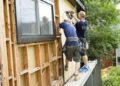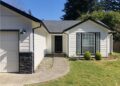

Exterior wood siding installation sets the stage for this enthralling narrative, offering readers a glimpse into a story that is rich in detail and brimming with originality. From preparation to maintenance, this guide covers everything you need to know about transforming your exterior with wood siding.
Exploring the various types of wood siding, installation techniques, and essential maintenance tips, this comprehensive guide is your go-to resource for all things related to exterior wood siding installation.
Preparation for Installation
When it comes to installing wood siding on the exterior of a building, proper preparation of the surface is crucial to ensure a successful and long-lasting installation. Preparing the exterior wall before installing wood siding helps to create a smooth and stable surface for the siding to adhere to, preventing issues such as warping, buckling, and moisture damage.
Step-by-Step Guide
- Start by inspecting the exterior wall for any existing damage, such as rot, mold, or water stains. Repair any damage before proceeding with the installation.
- Clean the surface of the wall thoroughly to remove dirt, dust, and debris. Use a pressure washer or a mixture of water and mild detergent for best results.
- If necessary, sand down any rough or uneven areas on the wall to create a smooth surface for the siding to be installed on.
- Apply a weather-resistant barrier, such as building paper or house wrap, to the exterior wall to provide an extra layer of protection against moisture infiltration.
- Install flashing around windows, doors, and other openings to prevent water from seeping behind the siding and causing damage.
- Create a starter strip at the bottom of the wall to ensure the first row of siding is properly aligned and secured.
- Finally, prime the surface of the wall with a high-quality exterior primer to improve adhesion and protect the wood siding from the elements.
Tools and Materials Needed
- Pressure washer or cleaning solution
- Sandpaper or sander
- Weat-her-resistant barrier (building paper or house wrap)
- Flashing materials
- Starter strip
- Exterior primer
Types of Wood Siding
Wood siding offers a classic and timeless look to the exterior of a home. There are various types of wood siding options available, each with its own unique characteristics in terms of durability and aesthetics.
Cedar Siding
Cedar is a popular choice for wood siding due to its natural resistance to rot, decay, and insects. It has a beautiful grain pattern and can be left untreated for a natural weathered look. However, cedar siding tends to be more expensive than other options.
Pine Siding
Pine is a more budget-friendly option for wood siding. It is easy to work with and takes well to finishes and stains. However, pine is less durable than cedar and may require more maintenance over time.
Redwood Siding
Redwood is known for its rich color and natural resistance to decay and insects. It is a durable option for wood siding and has a long lifespan. However, redwood siding can be costly and may require special care to maintain its appearance.
Other Popular Wood Species
There are other popular wood species used for siding, such as cypress, fir, and spruce. Each of these options has its own unique characteristics in terms of durability, appearance, and cost. It is important to consider the specific needs of your home and budget when choosing the right wood siding for your project.
Installation Techniques
Installing wood siding on exterior walls requires specific techniques to ensure durability and aesthetic appeal. Traditional methods have been used for years, but modern innovations have also improved the installation process. Additionally, weather conditions and climate play a crucial role in the successful installation of wood siding.
Traditional Installation Methods
- Overlap Method: In this technique, each piece of siding overlaps the one below it, providing protection against moisture and creating a classic look.
- Face-Nail Method: This involves nailing the siding directly onto the wall, with the nail heads exposed. While less common now, it was a popular method in the past.
- Shiplap Method: Shiplap siding has overlapping grooves that interlock, creating a tight seal against the elements. This method is still widely used for its durability.
Modern Techniques and Innovations
- Hidden Fasteners: Using hidden fasteners eliminates the need for exposed nail heads, creating a cleaner and more streamlined look.
- Prefinished Siding: Pre-finished wood siding reduces installation time and provides a more consistent finish, saving both time and effort.
- Vinyl-Wrapped Wood Siding: This innovative siding combines the beauty of wood with the low maintenance of vinyl, offering a durable and long-lasting solution.
Impact of Weather Conditions and Climate
- Humidity: High humidity can cause wood siding to expand and contract, leading to warping and cracking if not properly installed.
- Temperature Fluctuations: Extreme temperature changes can also affect the integrity of wood siding, making it essential to install it correctly to withstand these variations.
- Moisture: Excessive moisture from rain or snow can damage wood siding over time, emphasizing the importance of proper installation techniques to ensure water resistance.
Maintenance and Care
Wood siding is a beautiful and durable choice for your home's exterior, but it requires regular maintenance to ensure longevity and keep it looking its best.
Regular Cleaning and Inspection
Regular cleaning is essential to prevent dirt, mildew, and mold from building up on your wood siding. Use a mild detergent and water solution to scrub the surface gently, followed by a thorough rinse with a garden hose. Inspect the siding for any signs of damage, such as cracks, rot, or insect infestations.
Sealing and Staining
Sealing and staining your wood siding every few years can help protect it from moisture, UV rays, and other environmental factors. Choose a high-quality sealant or stain that is specifically designed for exterior wood surfaces and follow the manufacturer's instructions for application.
Preventing Moisture Damage
Moisture is one of the biggest threats to wood siding, as it can cause rot, mold, and mildew to develop. Ensure that your gutters are clean and functioning properly to prevent water from pooling near your siding. Trim back any overhanging branches or vegetation that could trap moisture against the wood.
Pest Control
To protect your wood siding from pests such as termites and carpenter ants, inspect the exterior of your home regularly for any signs of infestation. Seal any cracks or openings where pests could enter and consider applying a pest control treatment around the perimeter of your home.
Professional Inspections
While regular cleaning and maintenance are important, it's also a good idea to have a professional inspect your wood siding periodically. A professional can identify any issues early on and recommend the necessary repairs or treatments to keep your siding in top condition.
Concluding Remarks
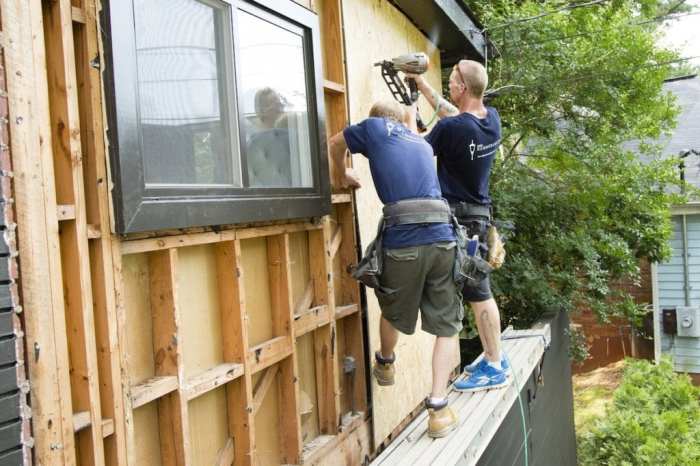
In conclusion, mastering the art of exterior wood siding installation requires attention to detail and a commitment to regular maintenance. By following the steps Artikeld in this guide, you can enhance the beauty and durability of your home's exterior for years to come.
Dive into the world of wood siding and elevate your home's curb appeal today.
Clarifying Questions
Why is preparing the exterior wall important before installing wood siding??
Preparing the exterior wall ensures a smooth and stable surface for the wood siding to adhere to, preventing issues like warping or buckling in the future.
What are the differences between cedar, pine, redwood, and other popular wood species for siding??
Each wood species has unique characteristics in terms of durability, aesthetics, and resistance to elements. Cedar is known for its natural rot resistance, while redwood offers a rich color and natural beauty.
How do weather conditions and climate impact the installation of wood siding??
Extreme weather conditions can affect the expansion and contraction of wood siding, leading to gaps or cracks. Proper installation techniques and regular maintenance can help mitigate these effects.
What maintenance tasks are essential to prolong the lifespan of exterior wood siding??
Regular cleaning, sealing, and inspections are crucial to preventing moisture damage, pest infestations, and other potential issues that can compromise the integrity of the wood siding.
How often should inspections and maintenance be done to keep wood siding in good condition??
It is recommended to inspect and maintain wood siding at least once a year, ideally before extreme weather seasons, to catch any issues early and ensure the longevity of the siding.