
Step into the world of Nordic interior design, where simplicity meets elegance and functionality intertwines with aesthetics. This captivating style draws inspiration from the serene landscapes of the North, creating spaces that are both inviting and harmonious. Get ready to delve into the key elements that define Nordic interior design and uncover the secrets behind its timeless appeal.
Overview of Nordic Interior Design
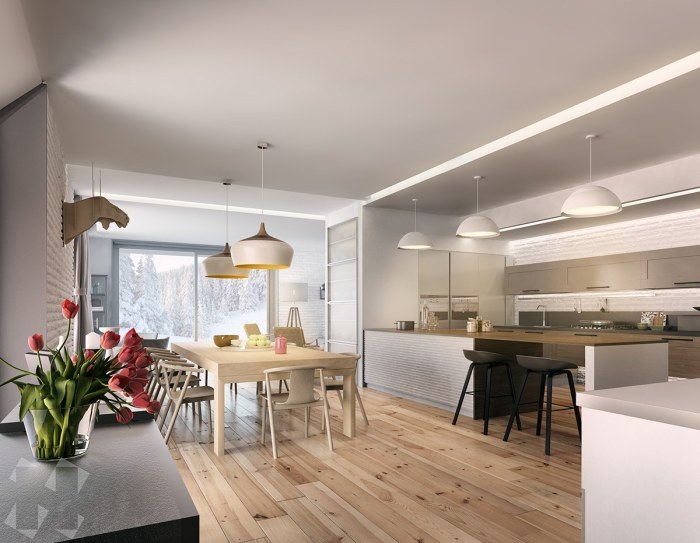
Nordic interior design is a minimalist and functional design style originating from the Nordic countries of Denmark, Finland, Iceland, Norway, and Sweden. This design philosophy focuses on simplicity, functionality, and connection to nature.
Define Nordic Interior Design Principles
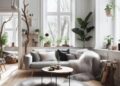
Nordic interior design principles emphasize simplicity, functionality, and minimalism. It prioritizes clean lines, natural materials, and a neutral color palette to create a sense of calm and serenity in living spaces.
Identify Key Characteristics of Nordic Interior Design
- Neutral Color Palette: Nordic interiors often feature white walls, light wood floors, and muted color accents to create a bright and airy atmosphere.
- Natural Materials: Wood, stone, and other natural materials are commonly used in Nordic interior design to bring a sense of warmth and connection to nature.
- Minimalist Decor: Clutter-free spaces with simple furniture and functional decor items are hallmarks of Nordic interior design.
- Hygge Concept: The Danish concept of 'hygge' which promotes coziness, comfort, and well-being is a key element in Nordic interior design.
Discuss the History and Evolution of Nordic Interior Design
Nordic interior design has its roots in the early 20th century when designers like Alvar Aalto and Arne Jacobsen introduced the world to Scandinavian design principles. Over time, Nordic interior design has evolved to incorporate modern elements while staying true to its minimalist and functional roots.
Color Palette in Nordic Interior Design
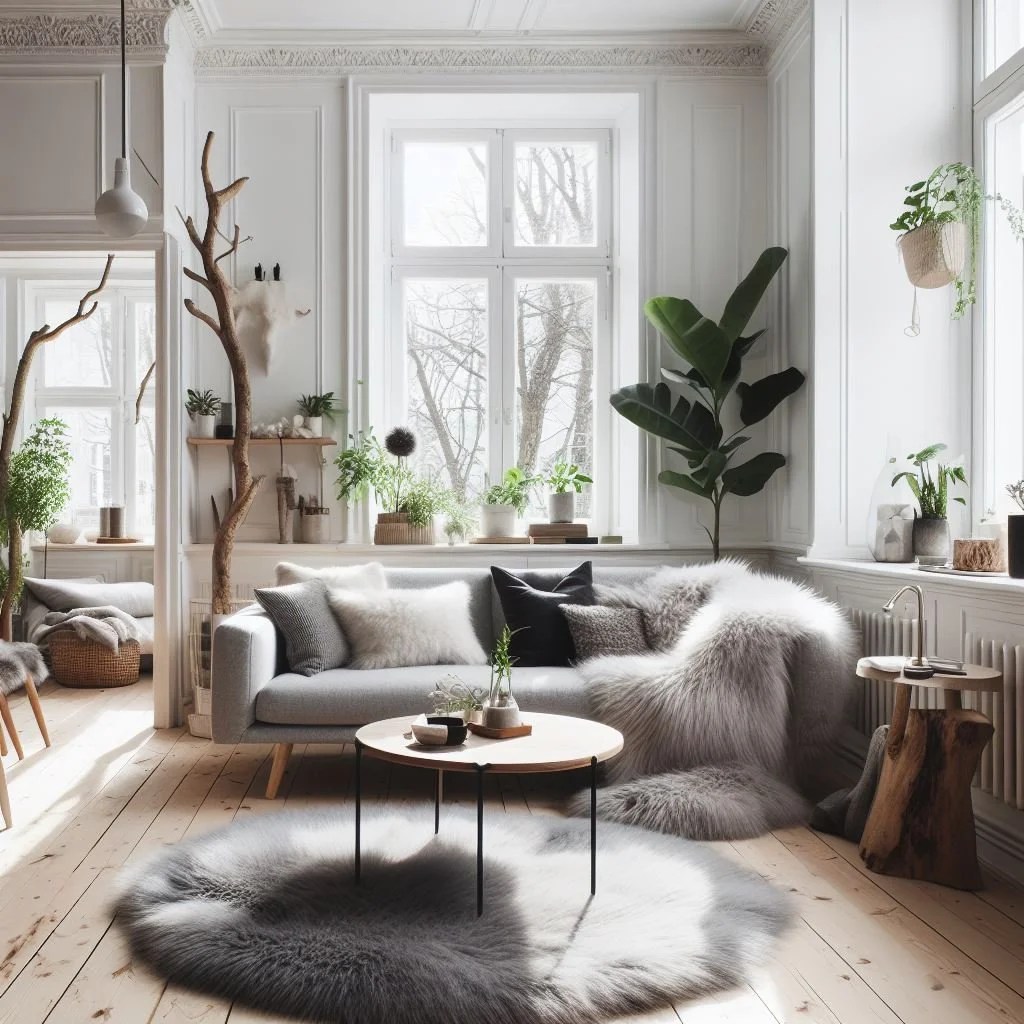
When it comes to Nordic interior design, the color palette plays a crucial role in creating the serene and cozy atmosphere that is characteristic of this style. The colors used are often inspired by the natural landscapes of the Nordic countries, with a focus on light, muted tones.
Typical Color Schemes
- White: White is a dominant color in Nordic interiors, as it helps to reflect natural light and create a sense of spaciousness.
- Soft Grey: Soft grey tones are often used to add depth and warmth to the space without overpowering it.
- Pale Blue: Pale blue hues are reminiscent of the sky and water in Nordic landscapes, bringing a sense of calm and tranquility.
- Earthy Tones: Earthy colors like beige, taupe, and brown are used to ground the space and add a touch of warmth.
Color Influence on Space
The color palette in Nordic interior design has a significant impact on the feel of a space. Light colors help to brighten up the room and make it feel more open and airy, while darker tones can create a sense of coziness and intimacy.
The use of natural materials like wood and stone further enhances the calming and organic feel of the space.
Importance of Natural Light
Natural light is a key element in Nordic interior design, as it helps to showcase the colors in their truest form. The abundance of natural light in Nordic countries has influenced the design aesthetic, with large windows and light-colored walls maximizing the light that enters the space.
This emphasis on natural light not only enhances the color palette but also creates a connection to the outdoors, blurring the lines between inside and outside.
Materials and Textures in Nordic Interior Design
In Nordic interior design, the use of materials and textures plays a crucial role in creating the minimalist and cozy aesthetic that is characteristic of this style.
Common Materials Used in Nordic Interior Design
In Nordic-inspired spaces, you will often find the following materials:
- Wood: Light-colored woods such as pine, oak, and birch are frequently used to bring warmth and a natural element to the space.
- Stone: Natural stone, such as granite or marble, is used for countertops, floors, and accent walls to add a touch of luxury.
- Metal: Stainless steel and brass are commonly used for fixtures and hardware to provide a modern contrast to the natural materials.
- Textiles: Materials like wool, linen, and cotton are used for upholstery, curtains, and rugs to add softness and texture to the space.
Textures in Nordic-Inspired Spaces
Textures in Nordic design are often simple yet impactful, creating a sense of harmony and tranquility:
- Smooth: Clean lines and sleek surfaces create a minimalist look that is a hallmark of Nordic design.
- Cozy: Textures like sheepskin rugs, knitted throws, and plush cushions bring warmth and comfort to the space.
- Rustic: Natural textures such as exposed wood beams, rough stone walls, and unfinished surfaces add a touch of rustic charm.
- Contrast: Mixing textures like smooth metal with rough wood or soft textiles with hard surfaces creates visual interest and depth.
Use of Natural Materials in Nordic Design
The use of natural materials in Nordic interior design is essential to creating a connection with the outdoors and fostering a sense of calm and tranquility:
- Bringing the outdoors in: By incorporating materials like wood, stone, and natural fibers, Nordic design reflects the natural landscape of the region.
- Sustainability: Using natural materials aligns with the Nordic commitment to sustainability and environmental consciousness.
- Light and airy: Natural materials help to reflect light and create a bright, airy atmosphere, even in darker winter months.
Furniture and Decor Elements in Nordic Interior Design
In Nordic interior design, furniture pieces and decor elements play a crucial role in creating a cozy and minimalist aesthetic. Let's explore the characteristics of furniture pieces, key decor elements, and the evolution of traditional Nordic furniture into modern interpretations.
Characteristics of Furniture Pieces in Nordic Design
Nordic furniture is known for its clean lines, simplicity, and functionality. Key characteristics include:
- Minimalist design with sleek silhouettes
- Use of natural materials such as wood, leather, and metal
- Light colors and finishes to enhance brightness in spaces
- Functional pieces that prioritize comfort and practicality
Key Decor Elements in Nordic Interior Design
When creating a Nordic-inspired space, incorporating specific decor elements is essential. These include:
- Textiles like wool blankets, sheepskin rugs, and linen curtains for warmth
- Natural accents such as plants, stones, and wooden accessories
- Lighting fixtures that provide soft, ambient light to enhance the overall atmosphere
- Handcrafted items and unique pieces to add personality and charm
Traditional vs. Modern Nordic Furniture
Traditional Nordic furniture is characterized by its craftsmanship and timeless designs, while modern interpretations often focus on functionality and versatility. Some key differences include:
- Traditional furniture features intricate details and craftsmanship, while modern pieces are more streamlined and simplistic
- Modern Nordic furniture may incorporate innovative materials and technology for enhanced durability and comfort
- While traditional furniture leans towards a rustic and cozy feel, modern interpretations embrace a more contemporary and minimalist approach
Functionality and Minimalism in Nordic Interior Design
Functionality and minimalism are key principles in Nordic interior design, emphasizing practicality and simplicity in living spaces.
Emphasis on Functionality in Nordic Design
- Nordic design focuses on creating spaces that are not only aesthetically pleasing but also highly functional in everyday life.
- Furniture and decor pieces are often designed with multiple purposes or storage solutions to optimize space efficiently.
- Emphasis is placed on usability and practicality without sacrificing the overall design aesthetic.
Significance of Minimalism in Nordic Interior Design
- Minimalism in Nordic design involves clean lines, simple forms, and a lack of clutter to create a sense of calm and tranquility in the space.
- Neutral color palettes and natural materials further enhance the minimalist approach, promoting a sense of openness and airiness.
- By reducing visual distractions and focusing on essential elements, minimalism allows for a more harmonious and balanced environment.
Achieving Balance Between Functionality and Aesthetics
- Choose furniture pieces that serve a dual purpose, such as a coffee table with hidden storage or a sofa bed for guests.
- Opt for multi-functional decor items like wall hooks that double as shelves or mirrors with built-in storage compartments.
- Keep the color palette neutral and the space clutter-free to maintain a sense of simplicity while ensuring practicality.
Final Review
As we conclude our journey through the realm of Nordic interior design, we leave with a deeper appreciation for its unique charm and understated beauty. From the calming color palettes to the use of natural materials, Nordic design continues to captivate with its blend of comfort and sophistication.
Embrace the essence of Nordic interior design in your own space and witness the transformative power of this iconic style.
General Inquiries
What are some key characteristics of Nordic interior design?
Nordic interior design is known for its minimalistic approach, use of natural light, emphasis on functionality, and incorporation of natural materials.
How does color influence the feel of a Nordic-inspired space?
Colors in Nordic interior design are usually light and muted, creating a sense of calm and serenity. They contribute to the overall cozy and inviting atmosphere of the space.
What are some common materials used in Nordic interior design?
Common materials include wood, leather, wool, and natural fibers. These materials add warmth and texture to Nordic spaces.