

Modern architecture sets the stage for this enthralling narrative, offering readers a glimpse into a story that is rich in detail and brimming with originality from the outset. From the evolution of architectural styles to the integration of sustainability and cutting-edge technology, modern architecture continues to shape our world in fascinating ways.
Evolution of Modern Architecture
Modern architecture emerged as a response to the rapid industrialization and urbanization of the late 19th and early 20th centuries. Architects began to break away from the ornate styles of the past, focusing instead on simplicity, functionality, and the use of new materials such as steel and glass.
Key Architects and Movements
- Le Corbusier: A pioneer of modern architecture, Le Corbusier emphasized the use of geometric forms and open floor plans in his designs.
- Ludwig Mies van der Rohe: Known for his famous saying "less is more," Mies van der Rohe's designs focused on simplicity and the use of industrial materials.
- The Bauhaus Movement: Founded by Walter Gropius, the Bauhaus school sought to unify art, craft, and technology in its approach to design.
Differences from Traditional Styles
- Modern architecture emphasizes functionality and simplicity over ornate decoration.
- The use of new materials such as steel, glass, and concrete allows for innovative structural designs.
- Open floor plans and the integration of indoor and outdoor spaces are common features in modern architecture.
Characteristics of Modern Architecture
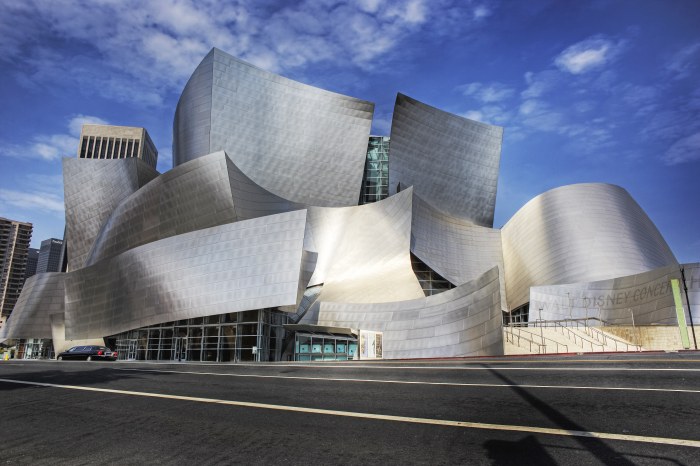
Modern architecture is characterized by several key features that set it apart from traditional styles. The emphasis on functionality, minimalism, and the innovative use of materials and technology are some of the defining traits of modern architectural design.
Use of Materials and Technology
Modern architecture often incorporates new and innovative materials such as glass, steel, and concrete. These materials allow for sleek and minimalist designs, as well as the creation of large and open spaces. Additionally, advancements in technology have enabled architects to push the boundaries of what is possible in terms of design and construction.
Emphasis on Functionality
One of the main principles of modern architecture is the focus on functionality. Buildings are designed to serve a specific purpose efficiently and effectively. This often leads to simple and uncluttered designs that prioritize usability over ornamental details. The form follows function approach is a key aspect of modern architectural design.
Minimalism
Minimalism is another hallmark of modern architecture. Clean lines, simple shapes, and a lack of unnecessary decoration are common features of modern buildings. The goal is to create spaces that are visually appealing in their simplicity and that prioritize the essential functions of the structure.
Influential Modern Architectural Styles
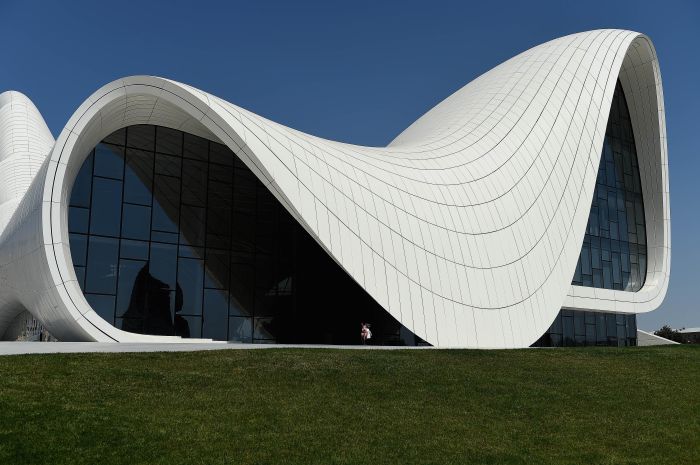
Modern architecture has been shaped by various influential styles that have left a lasting impact on the built environment. Let's delve into some of the key modern architectural styles and their significance.
Bauhaus
The Bauhaus movement, founded by Walter Gropius in Germany in the early 20th century, emphasized the unity of art, craft, and technology. It focused on functional design, simplicity, and the use of modern materials like steel and glass. Bauhaus buildings often featured flat roofs, cubic shapes, and asymmetrical compositions.
International Style
The International Style emerged in the 1920s and 1930s, characterized by geometric forms, open floor plans, and the use of industrial materials such as steel and glass. Architects like Le Corbusier and Mies van der Rohe were key figures in promoting this style, which prioritized functionality and minimal ornamentation.
Brutalism
Brutalism, popular in the mid-20th century, is known for its use of raw concrete, bold geometric shapes, and massive scale. This style often evokes a sense of strength and solidity through its heavy, monolithic structures. Examples of Brutalist architecture include the Barbican Centre in London and the Boston City Hall.
Cultural and Social Influences
Modern architectural styles were influenced by cultural and social factors of their time. The Bauhaus movement, for example, responded to the aftermath of World War I and the industrialization of society
Brutalism, on the other hand, expressed a sense of social idealism and monumentalism.
Iconic Modern Architectural Structures
Iconic modern architectural structures can be found around the world, showcasing the diversity and innovation of modern design. The Guggenheim Museum in New York, designed by Frank Lloyd Wright, is a prime example of organic architecture. The Sydney Opera House, designed by Jørn Utzon, is renowned for its sculptural form and innovative construction techniques.
Fallingwater, a residential masterpiece by Frank Lloyd Wright, seamlessly integrates with its natural surroundings.
Sustainability in Modern Architecture
Modern architecture has embraced the concept of sustainability, focusing on eco-friendly practices, green building materials, and energy-efficient systems to create more environmentally conscious structures. This shift towards sustainable design not only reduces the negative impact on the environment but also promotes healthier and more efficient living spaces for occupants.
Integration of Green Building Materials
- Green building materials, such as recycled steel, reclaimed wood, and bamboo, are being used in modern architectural designs to minimize resource depletion and reduce waste.
- Low-VOC paints and finishes are preferred to improve indoor air quality and create healthier living environments.
- Solar panels, green roofs, and rainwater harvesting systems are incorporated into buildings to harness renewable energy sources and promote water conservation.
Energy-Efficient Systems
- Modern architectural projects prioritize energy efficiency by utilizing smart building technologies, such as automated lighting and HVAC systems, to optimize energy usage and reduce operational costs.
- Passive design strategies, such as natural ventilation, daylighting, and thermal mass, are employed to enhance the building's performance and reduce the reliance on mechanical systems.
- Energy-efficient appliances and fixtures are installed to minimize energy consumption and promote sustainable living practices among occupants.
Sustainable Urban Planning
- Sustainable urban planning in modern architecture aims to create walkable neighborhoods, promote public transportation, and preserve green spaces to reduce the environmental impact of urban development.
- Mixed-use developments, compact building designs, and efficient land use strategies are implemented to minimize sprawl and encourage sustainable growth in urban areas.
- Green infrastructure, such as green corridors, permeable pavements, and urban forests, are integrated into urban planning to mitigate the effects of climate change and enhance the overall quality of life for residents.
Technology and Innovation in Modern Architecture
Technology plays a crucial role in shaping modern architectural trends, revolutionizing the design process, and enabling architects to create innovative and sustainable structures. The integration of digital tools, software, smart technologies, and automation has significantly impacted the way architects conceptualize, design, and construct buildings in the contemporary era.
Digital Tools and Software in Architecture
Digital tools and software have transformed the traditional design process in modern architecture. Architects now rely on advanced software such as Computer-Aided Design (CAD) and Building Information Modeling (BIM) to create intricate and precise architectural designs. These tools allow architects to visualize their ideas in a virtual environment, analyze complex structures, and collaborate seamlessly with other professionals involved in the project.
Smart Technologies in Architectural Projects
The incorporation of smart technologies in modern architectural projects has led to the development of intelligent buildings that are energy-efficient, sustainable, and responsive to the needs of their occupants. Smart technologies like IoT sensors, automated lighting systems, and climate control systems enable buildings to optimize their energy consumption, enhance occupant comfort, and reduce operational costs.
Architects are now designing smart buildings that can adapt to changing environmental conditions and user requirements, creating a more efficient and user-friendly built environment.
Automation in Architecture
Automation has revolutionized the construction industry, allowing architects to streamline the building process and improve efficiency. From robotic construction techniques to 3D printing technology, automation is reshaping the way buildings are designed and constructed. Architects are exploring innovative construction methods that utilize automation to reduce waste, minimize construction time, and enhance the overall quality of the built environment.
Last Recap
As we conclude this exploration of modern architecture, it becomes evident that the marriage of innovation, functionality, and sustainability is at the core of this captivating design philosophy. The iconic structures and influential styles discussed only scratch the surface of the boundless creativity and impact of modern architecture on our lives.
Query Resolution
How does modern architecture differ from traditional styles?
Modern architecture emphasizes functionality, minimalism, and innovative use of materials, in contrast to the ornate and decorative nature of traditional architectural styles.
What are some key examples of iconic modern architectural structures?
Examples include the Guggenheim Museum in Bilbao, the Sydney Opera House, and the Fallingwater house by Frank Lloyd Wright.
How is sustainability integrated into modern architectural designs?
Modern architects incorporate sustainable practices through the use of green building materials, energy-efficient systems, and sustainable urban planning strategies.