

Embark on a journey through the realm of residential construction bids, where each detail plays a crucial role in determining the success of a project. Dive into the nuances of bid proposals, factors influencing bids, and winning strategies that can set you apart in the competitive construction industry.
As we delve deeper into the intricacies of residential construction bids, you'll uncover essential insights that can elevate your bidding game and lead you towards securing lucrative projects.
Understanding Residential Construction Bids
Residential construction bids play a crucial role in the construction industry, serving as formal offers from contractors to perform specific work at a certain price. These bids are essential for homeowners looking to hire a contractor for their construction project, as they provide detailed information about the scope of work and associated costs.
Significance of Bids in the Construction Industry
Bids help homeowners compare different contractors based on their proposed prices, timelines, and quality of work. They also ensure transparency and accountability in the construction process, setting clear expectations for both parties involved. Additionally, bids protect homeowners from unexpected costs and ensure that the project stays within budget.
Key Components in a Residential Construction Bid
- Scope of Work: Detailed description of the work to be done, materials to be used, and any specific requirements.
- Cost Breakdown: Itemized list of all costs involved, including labor, materials, permits, and any additional fees.
- Timeline: Proposed schedule for the project, including start date, milestones, and completion date.
- Terms and Conditions: Legal terms governing the agreement, such as payment schedule, warranties, and dispute resolution.
- References: Past projects, client testimonials, and qualifications of the contractor to showcase their experience and reliability.
Factors Influencing Residential Construction Bids
When it comes to residential construction bids, several factors come into play that influence the final proposal submitted by contractors. These factors can range from the size of the project to the location of the construction site and even the cost of materials involved.
Understanding how these factors impact the bidding process is crucial for both contractors and homeowners looking to embark on a construction project.
Project Size
The size of a residential construction project plays a significant role in determining the bid proposals submitted by contractors. Larger projects typically require more resources, labor, and time to complete, which can drive up the overall cost of the bid.
Contractors may factor in the scale of the project when preparing their proposals, taking into account the manpower and materials needed to successfully execute the construction work.
Location
The location of the construction site is another crucial factor that influences bid prices in residential construction projects. Construction costs can vary significantly depending on the region, city, or neighborhood where the project is located. Factors such as accessibility, local building codes, permit requirements, and even the availability of skilled labor can all impact the final bid price.
Contractors often consider these location-specific factors when preparing their proposals to ensure they accurately reflect the costs associated with the project.
Material Costs
The cost of materials is a key component that can greatly impact residential construction bids. Fluctuations in material prices, availability of specific materials, and the quality of materials chosen for the project can all influence the overall cost of the bid.
Contractors must carefully assess the material requirements of the project and consider factors such as market prices, delivery costs, and any specialized materials needed to complete the construction work. By accurately estimating material costs, contractors can provide competitive and realistic bid proposals to homeowners.
Types of Residential Construction Bidding Processes
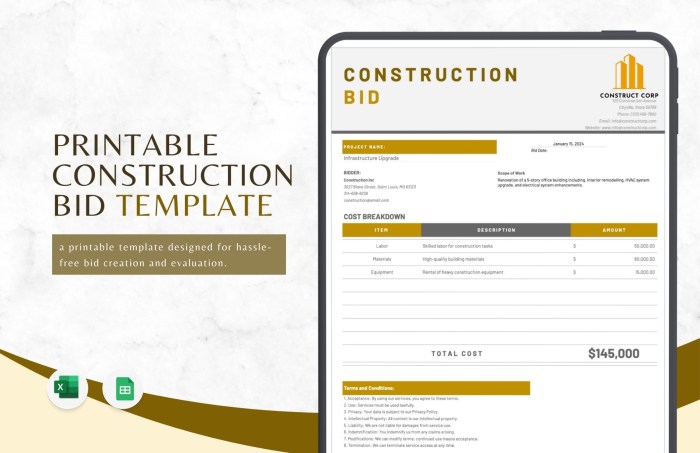
When it comes to residential construction bidding, there are different processes that contractors can use to submit their proposals. Let's explore the various types of bidding processes in detail.
Open Bidding vs. Closed Bidding
Open bidding and closed bidding are two common methods used in the construction industry to invite bids from contractors.
- Open Bidding:In open bidding, the project details are available to all interested contractors. This allows for a larger pool of bidders, increasing competition.
- Closed Bidding:Closed bidding, on the other hand, involves inviting specific contractors to bid on a project. This method is more selective and can lead to higher quality bids.
Competitive Bidding vs. Negotiated Bidding
Competitive bidding and negotiated bidding are two approaches used to select a contractor for a residential construction project.
- Competitive Bidding:Competitive bidding involves inviting multiple contractors to submit sealed bids based on the project specifications. The contract is awarded to the contractor with the lowest bid.
- Negotiated Bidding:In negotiated bidding, the owner negotiates directly with a single contractor. This method allows for more flexibility in terms of project scope and price negotiation.
Advantages and Disadvantages
Each bidding process has its own set of advantages and disadvantages that contractors and owners should consider.
| Process | Advantages | Disadvantages |
|---|---|---|
| Open Bidding | Increased competition, more bids to choose from | Potential for unqualified bidders, lower quality bids |
| Closed Bidding | Higher quality bids, more selective process | Limited pool of bidders, less competition |
| Competitive Bidding | Clear pricing, competitive market rates | Potential for bid shopping, lowest price may not guarantee quality |
| Negotiated Bidding | Flexibility in negotiations, potential for value engineering | Less competitive, potential for cost overruns |
Strategies for Winning Residential Construction Bids
To be successful in winning residential construction bids, it is crucial to prepare a competitive bid proposal, accurately estimate project costs, and establish a strong reputation in the industry.
Preparing a Competitive Bid Proposal
When preparing a bid proposal, it is essential to showcase your expertise and experience in residential construction. Highlight your past successful projects, relevant certifications, and any unique selling points that set you apart from competitors. Clearly Artikel the scope of work, project timeline, and payment terms to provide a comprehensive and detailed proposal that addresses the client's needs.
Tips for Accurately Estimating Project Costs
Accurately estimating project costs is key to winning bids and ensuring profitability. Utilize cost estimation software, consider all material and labor expenses, factor in any overhead costs, and account for potential unforeseen expenses. Conduct thorough research on current market prices and trends to provide a competitive yet realistic bid that aligns with the client's budget while ensuring a reasonable profit margin.
Importance of Establishing a Strong Reputation for Winning Bids
Building a strong reputation in the residential construction industry is crucial for winning bids consistently. Deliver high-quality work, prioritize client satisfaction, and maintain open communication throughout the project. Positive reviews and referrals from satisfied clients can significantly impact your chances of winning future bids.
Establishing trust and credibility within the industry will not only attract more clients but also differentiate your company as a reliable and reputable choice for residential construction projects.
Closure
In conclusion, mastering the art of residential construction bids requires a blend of precision, strategy, and industry know-how. By implementing the tips and techniques discussed, you can position yourself as a formidable force in the world of construction bidding, paving the way for future successes.
Detailed FAQs
How do I ensure my bid proposal stands out?
To stand out, focus on showcasing your unique strengths, highlighting past successes, and demonstrating a clear understanding of the project requirements.
What is the difference between open bidding and closed bidding?
Open bidding allows any qualified contractor to submit a bid, while closed bidding restricts the bidding process to a select group of pre-qualified contractors.
How can I accurately estimate project costs?
Accurate estimation involves meticulous planning, detailed cost breakdowns, and factoring in potential contingencies to ensure your bid aligns with the project scope.