

Asbestos shingles have a rich history and a controversial reputation, making them a fascinating subject to delve into. From their properties to health risks and alternatives, this topic offers a comprehensive look at a material that has left a lasting impact on the roofing industry.
As we uncover the layers of information about asbestos shingles, readers will gain a deeper understanding of the complexities surrounding this roofing material.
Introduction to Asbestos Shingles
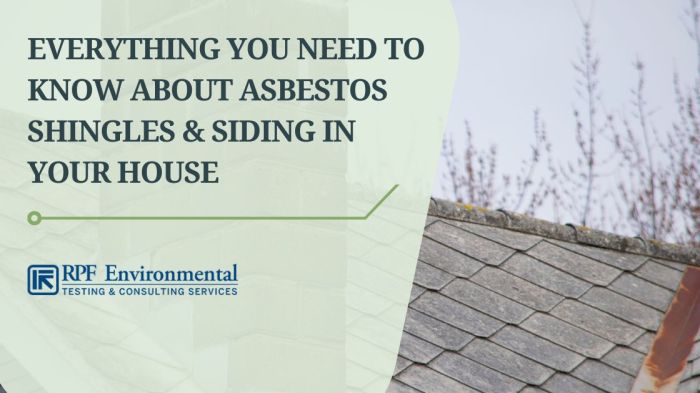
Asbestos shingles are roofing materials that are made from a mixture of asbestos fibers and cement. These shingles were commonly used in the construction of homes and buildings in the past due to their durability and fire-resistant properties.
History of Asbestos in Shingles
Asbestos shingles became popular in the late 19th century and were widely used in construction until the 1980s. The use of asbestos in shingles peaked in the mid-20th century when its fire-resistant properties were highly valued in building materials.
Properties of Asbestos for Shingle Production
- Asbestos fibers provide strength and durability to shingles, making them long-lasting and resistant to weathering.
- Asbestos has natural fire-resistant properties, which was a key factor in its use in shingles to protect buildings from fires.
- The mineral composition of asbestos also provided insulation properties, helping to regulate temperature in buildings where these shingles were used.
Health Risks Associated with Asbestos Shingles
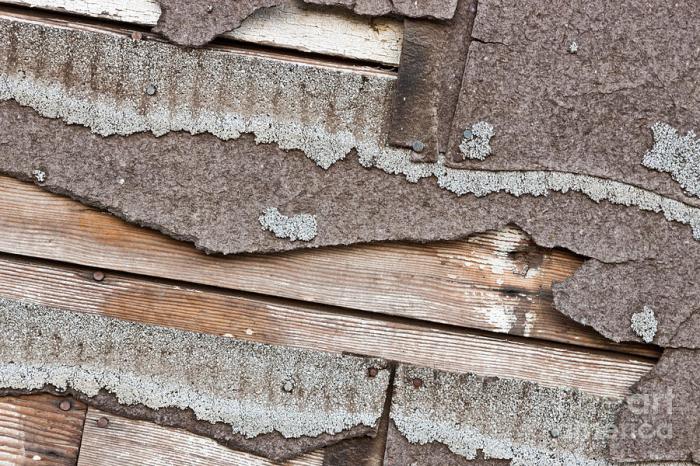
Asbestos shingles, when damaged or disturbed, can pose serious health risks due to the release of asbestos fibers into the air. These microscopic fibers are easily inhaled and can lead to various health issues.
Asbestos Exposure and Airborne Fibers
When asbestos shingles deteriorate over time or during renovations, the asbestos fibers can become airborne. Once in the air, these fibers can be inhaled by individuals in the vicinity, leading to potential health hazards.
Link to Diseases like Mesothelioma and Lung Cancer
Prolonged exposure to asbestos fibers, including those from asbestos shingles, has been linked to serious health conditions such as mesothelioma and lung cancer. These diseases may not manifest until years after the initial exposure, making early detection and prevention crucial.
Removal and Disposal of Asbestos Shingles
When it comes to dealing with asbestos shingles, it is crucial to follow proper procedures to ensure the safety of everyone involved. This includes the careful removal and disposal of asbestos-containing materials.
Proper Procedures for Safely Removing Asbestos Shingles
- Before starting the removal process, it is important to wet the shingles to minimize the release of asbestos fibers into the air.
- Wear appropriate personal protective equipment, such as a respirator, disposable coveralls, gloves, and eye protection.
- Avoid breaking or cutting the shingles to prevent the release of asbestos fibers.
- Use hand tools instead of power tools to minimize the generation of dust.
Precautions During the Removal Process
- Ensure proper containment of the work area to prevent asbestos fibers from spreading to other parts of the property.
- Seal off the area and use plastic sheeting to create a barrier between the work area and the rest of the building.
- Properly label and dispose of all waste materials in accordance with regulations.
- Clean up the work area thoroughly using wet methods and HEPA vacuuming to remove any remaining asbestos fibers.
Regulations Regarding the Disposal of Asbestos-Containing Materials
- Check local regulations and guidelines for the proper disposal of asbestos-containing materials.
- Asbestos waste should be double-bagged in labeled, leak-tight containers for disposal at approved sites.
- Do not dispose of asbestos waste in regular trash bins or landfills.
- It is recommended to hire licensed professionals for the disposal of asbestos-containing materials to ensure compliance with regulations.
Alternatives to Asbestos Shingles
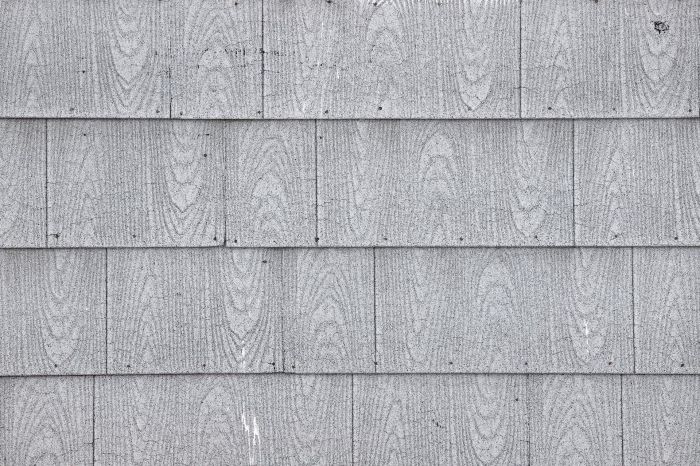
When considering alternatives to asbestos shingles, it's important to explore modern roofing materials that are not only safe but also effective in protecting your home. Let's take a look at some options and compare their benefits and drawbacks.
Metal Roofing
Metal roofing has gained popularity as a durable and long-lasting alternative to asbestos shingles. It is resistant to harsh weather conditions, fireproof, and requires minimal maintenance. However, metal roofing can be expensive upfront and may produce louder noise during heavy rainfall.
Composite Roofing
Composite roofing, made from a combination of materials like plastic, rubber, and wood, offers a more affordable option compared to metal roofing. It is available in various styles that mimic the look of traditional roofing materials, providing versatility in design.
On the downside, composite roofing may not be as durable as metal roofing.
Slate Roofing
Slate roofing is known for its elegance and longevity, making it a premium alternative to asbestos shingles. It is resistant to fire, rot, and insects, offering exceptional durability. However, slate roofing is heavy and may require additional structural support, increasing installation costs.
Solar Tiles
Solar tiles combine the functionality of a roof with renewable energy generation, making them an environmentally friendly alternative to traditional roofing materials. While solar tiles can help reduce energy costs and carbon footprint, they are significantly more expensive than other roofing options.
Environmental Impact
When evaluating roofing materials, it's essential to consider their sustainability and environmental impact. Opting for eco-friendly options like metal roofing with high recycled content or solar tiles can contribute to reducing the carbon footprint of your home. Additionally, choosing materials that are locally sourced can further minimize environmental impact by reducing transportation emissions.
Outcome Summary
In conclusion, asbestos shingles have a complex legacy that continues to shape discussions on roofing materials today. By exploring the various aspects of asbestos shingles, we have shed light on the importance of informed decision-making when it comes to choosing roofing materials for both safety and sustainability.
Question & Answer Hub
What are the health risks associated with asbestos shingles?
Exposure to asbestos from shingles can lead to serious respiratory diseases such as mesothelioma and lung cancer.
How should asbestos shingles be safely removed?
Proper procedures involve hiring professionals trained in asbestos removal to ensure safety and compliance with regulations.
What are some alternatives to asbestos shingles?
Modern roofing materials like metal, asphalt, and synthetic shingles are popular alternatives to asbestos shingles.