
Bay Area exteriors offer a unique blend of architectural diversity and environmental considerations that shape the landscape of this vibrant region. From iconic Victorian homes to modern sustainable designs, the exteriors in the Bay Area reflect a rich tapestry of history and innovation.
Let's delve into the world of Bay Area exteriors to uncover the secrets behind their significance and design trends.
As we journey through the different aspects of bay area exteriors, we will discover the impact of climate on maintenance, explore popular design trends, delve into sustainable practices, and learn valuable maintenance tips to keep your exteriors in top shape.
Overview of Bay Area Exteriors
In the Bay Area, the exteriors of buildings play a significant role in defining the overall aesthetic appeal and character of the region. With a diverse mix of architectural styles and influences, the exteriors reflect the rich history and cultural heritage of the area.
Maintaining exteriors in the Bay Area is crucial not only for preserving the unique charm of the buildings but also for ensuring their longevity and structural integrity. The climate in the Bay Area, characterized by mild winters and dry summers, can pose challenges to the maintenance of exteriors, making regular upkeep essential.
Common Types of Exteriors
- Victorian Style: Known for their intricate details and vibrant colors, Victorian homes are a common sight in neighborhoods like San Francisco.
- Craftsman Style: Featuring exposed rafters and natural materials, Craftsman homes are prevalent in Berkeley and Oakland.
- Mid-Century Modern: Characterized by clean lines and large windows, Mid-Century Modern homes are popular in Silicon Valley.
Importance of Maintaining Exteriors
Regular maintenance of exteriors in the Bay Area is essential to protect buildings from moisture damage, sun exposure, and wear and tear. By addressing issues such as peeling paint, rotting wood, and cracked stucco in a timely manner, property owners can prevent costly repairs and preserve the architectural heritage of the region.
Climate Considerations
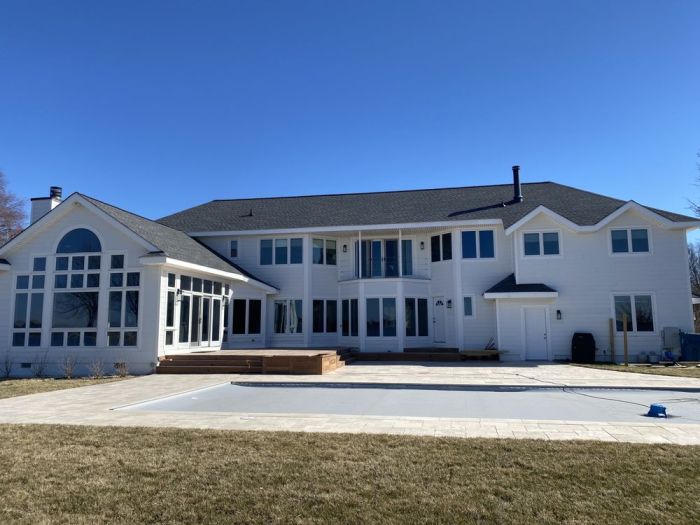
Living in the Bay Area means dealing with a unique climate that can have a significant impact on the maintenance of your home's exterior. The region experiences mild, wet winters and dry summers with moderate temperatures year-round.
Impact of Bay Area Climate on Exterior Maintenance
The Bay Area climate, characterized by moderate temperatures and occasional rain, can lead to issues such as mold, mildew, and rot on exterior surfaces. Regular maintenance is crucial to prevent these problems and extend the lifespan of your home's exterior.
Effects of Different Weather Conditions on Exterior Longevity
- Rain:The rainy winters in the Bay Area can cause water damage to exterior surfaces if not properly maintained. Regular inspections and repairs are essential to prevent water penetration and structural damage.
- Sun:The sun's UV rays can fade paint and deteriorate materials over time. Choosing UV-resistant paints and materials can help protect your home's exterior from sun damage.
- Fog:The Bay Area's frequent fog can lead to moisture buildup on exterior surfaces, creating ideal conditions for mold and mildew growth. Proper ventilation and regular cleaning can help prevent these issues.
Materials Best Suited for the Bay Area Climate
- Fiber Cement Siding:Resistant to moisture and rot, fiber cement siding is a durable option for the Bay Area's climate.
- Redwood:Known for its natural resistance to decay, redwood is a popular choice for decks and exterior trim in the Bay Area.
- Metal Roofing:Metal roofing is a long-lasting and low-maintenance option that can withstand the Bay Area's diverse weather conditions.
Popular Exterior Design Trends
When it comes to exterior design trends in the Bay Area, there are several styles and influences that are commonly seen shaping the look of residential properties. From architectural styles to cultural influences, these factors play a significant role in determining the overall aesthetic of homes in the region.
Architectural Styles in the Bay Area
- Craftsman: Known for its intricate woodwork and natural materials, the Craftsman style is a popular choice in the Bay Area, reflecting a focus on craftsmanship and simplicity.
- Mid-Century Modern: Characterized by clean lines, large windows, and open floor plans, Mid-Century Modern homes are a staple in many Bay Area neighborhoods, blending indoor and outdoor spaces seamlessly.
- Spanish Colonial Revival: With its stucco walls, red tile roofs, and arched doorways, the Spanish Colonial Revival style adds a touch of Mediterranean charm to Bay Area homes, especially in areas like the Peninsula and East Bay.
Cultural Influences on Exterior Design
- Asian Influence: Given the diverse population in the Bay Area, Asian design elements such as Zen gardens, bamboo fencing, and minimalist landscaping often find their way into exterior aesthetics, creating a sense of tranquility and balance.
- Eco-Friendly Practices: With a strong focus on sustainability and environmental consciousness, many Bay Area homeowners opt for eco-friendly materials, green roofs, and rainwater harvesting systems to reduce their carbon footprint and embrace a more sustainable lifestyle.
- Artistic Expression: The Bay Area's rich history of art and innovation is reflected in the exterior design choices of many homeowners, who incorporate artistic elements like murals, sculptures, and colorful facades to make a bold statement and showcase their creativity.
Sustainable Exteriors
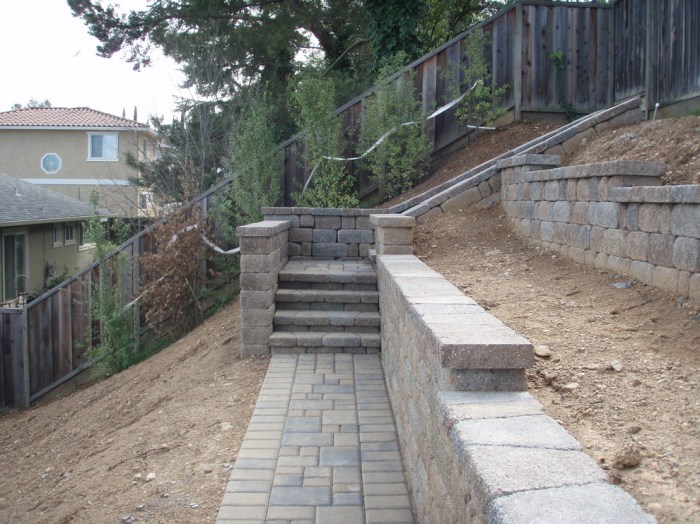
Creating sustainable exteriors in the Bay Area is crucial for reducing environmental impact and promoting long-term durability. By incorporating eco-friendly materials and practices, homeowners can contribute to a healthier planet while enjoying energy-efficient and cost-effective solutions.
Eco-friendly Materials and Practices
When it comes to sustainable exteriors, choosing the right materials and practices can make a significant difference. Some eco-friendly options include:
- Using recycled or reclaimed wood for decking, siding, and fencing
- Installing energy-efficient windows and doors to reduce heat loss
- Opting for low-VOC paints and finishes to improve indoor air quality
- Incorporating green roofs or living walls to enhance insulation and reduce stormwater runoff
Green Building Certifications
There are several green building certifications that are relevant to Bay Area exteriors, ensuring that sustainable practices are met and recognized. Some examples include:
- LEED (Leadership in Energy and Environmental Design): A widely recognized certification that focuses on sustainable building design and construction
- GreenPoint Rated: A program that evaluates the environmental performance of residential buildings, including exteriors
- ENERGY STAR: A label that signifies energy-efficient products, including windows, doors, and roofing materials
Exterior Maintenance Tips
Proper maintenance is essential to keep Bay Area exteriors looking great and functioning well. Here are some practical tips to help you maintain your home's exterior:
Regular Inspections
- Inspect the roof twice a year, in the spring and fall, to check for any damaged or missing shingles.
- Check the gutters and downspouts for debris and make sure they are securely attached to the house.
- Look for cracks or gaps in the siding and caulk or seal them to prevent water damage.
Seasonal Maintenance Checklist
Here is a checklist to guide you through seasonal exterior maintenance:
| Spring: | Clean windows and screens, trim trees and bushes away from the house, inspect and clean the gutters. |
| Summer: | Power wash the exterior, inspect and repair the deck or patio, check for insect activity. |
| Fall: | Rake leaves, clean gutters, inspect the roof and chimney for damage, and caulk any gaps in windows and doors. |
| Winter: | Check for ice dams on the roof, clear snow away from the foundation, and inspect the exterior lights. |
Final Conclusion
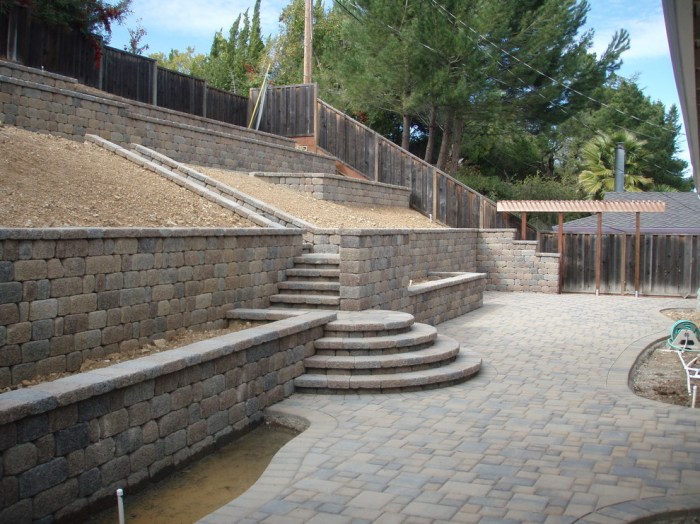
In conclusion, Bay Area exteriors stand as a testament to the region's architectural evolution and commitment to sustainability. By understanding the significance of exteriors, embracing design trends, prioritizing sustainability, and following maintenance tips, residents can ensure that their exteriors remain not just visually appealing but also resilient for years to come.
Clarifying Questions
How does the Bay Area climate affect exterior maintenance?
The Bay Area climate, with its mild winters and dry summers, can lead to issues like sun damage and moisture build-up, emphasizing the need for regular inspections and maintenance.
What are some popular materials best suited for Bay Area exteriors?
Materials like redwood, stucco, and metal roofing are commonly used in Bay Area exteriors due to their durability and ability to withstand the region's climate.
Why is sustainability important in Bay Area exterior design?
Sustainability ensures that buildings have a minimal environmental impact and contribute to the overall well-being of the community, a key consideration in the eco-conscious Bay Area.
How often should exterior inspections and repairs be done in the Bay Area?
Regular inspections should be conducted at least once a year, with repairs scheduled as needed to address any issues promptly and prevent further damage.
What are some key components of seasonal exterior maintenance in the Bay Area?
Seasonal maintenance should include tasks like cleaning gutters, inspecting roofs for damage, checking for pests, and ensuring that exterior paint is in good condition to withstand the changing weather.